
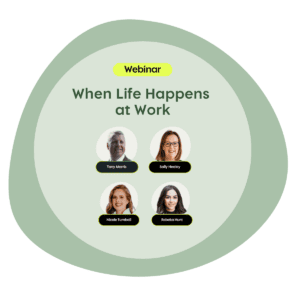
When Life Happens at Work: Supporting Employees Through Grief and Loss
Grief and significant life changes don’t stop when someone arrives at work. The loss of a loved one, relationship breakdown, illness, caregiving responsibilities or other personal challenges can affect how an employee feels, concentrates and manages their everyday responsibilities.
In this Grief First Aid webinar, held as part of National Safe Work Month 2026, workplace health and safety experts discuss how organisations can better support employees experiencing grief and loss. The conversation explores the relationship between grief and psychosocial safety, the role of managers and the practical changes workplaces can make to reduce unnecessary stress.
A central message throughout the discussion is that supporting someone through grief doesn’t require managers to become counsellors. It requires awareness, compassion and a willingness to understand what that person needs.
How can grief and loss affect employees at work?
Grief can affect much more than someone’s emotional wellbeing. It can influence concentration, memory, decision-making, energy levels and confidence, making tasks that once felt manageable more difficult.
During the webinar, the panel discusses how these changes can sometimes be misunderstood in the workplace. An employee who is struggling to meet deadlines or maintain their usual performance may be experiencing the effects of a significant loss, rather than a lack of motivation or commitment.
This becomes particularly important in roles where fatigue, concentration and decision-making can affect the safety of others.
The panel also highlights that grief isn’t limited to bereavement. People may experience grief following a miscarriage, fertility challenges, relationship breakdown, serious illness or other major life changes.
Recognising the different ways grief can appear at work is an important part of creating a supportive workplace.
What is the connection between grief and psychosocial safety?
One of the key distinctions explored in the webinar is that grief itself is not a psychosocial hazard. It is a natural human response to loss.
However, the way work is designed, managed and experienced can create additional psychosocial risks for someone who is grieving.
For example, an employee returning to an excessive workload, unclear expectations or limited flexibility may experience further stress at an already difficult time.
Poor communication, isolation, unsupportive management practices and inappropriate performance expectations can also contribute to these risks.
The discussion encourages organisations to consider how grief and significant life events may affect employees when reviewing psychosocial risks and existing workplace controls.
Rather than treating the grieving employee as the problem, workplaces can examine the conditions surrounding them and identify opportunities to provide better support.
How can managers support employees experiencing grief?
A consistent theme throughout the webinar is the importance of having supportive conversations without making assumptions.
Two employees experiencing similar losses may need entirely different things from their workplace. One person might need time away, while another may find comfort in maintaining their routine.
The panel encourages managers to begin by asking what would be helpful, rather than immediately focusing on leave entitlements or when the employee will return to their usual duties.
Practical workplace support may include temporarily adjusting workloads, offering flexible working arrangements, reviewing priorities or agreeing on regular check-ins.
Managers don’t need to know every detail of an employee’s personal circumstances to provide meaningful support. Respecting privacy and allowing employees to decide what they’re comfortable sharing are equally important.
The aim is to create an environment where employees feel able to ask for support without being pressured to disclose information they would prefer to keep private.
Why workplace support needs to continue after an employee returns
Returning to work after a loss doesn’t necessarily mean someone has returned to their usual capacity.
Grief can change over time, and its effects may continue well beyond the initial period of bereavement leave or absence.
The webinar highlights the importance of ongoing conversations rather than treating the employee’s return as the end of the support process.
A manager might check whether existing arrangements are still helpful, whether workloads need adjusting or whether additional flexibility would make a difference.
The panel also discusses the limitations of relying entirely on Employee Assistance Programs (EAPs). While these services can provide valuable professional support, they cannot directly change someone’s workload, working conditions or daily experience with colleagues.
Meaningful workplace support therefore requires both appropriate referral pathways and practical action within the organisation itself.
Building a workplace culture where people feel safe to speak up
Employees may be reluctant to discuss grief at work because they fear being judged, misunderstood or treated differently.
For some, keeping personal experiences private is a preference. For others, workplace culture may make it difficult to acknowledge that they’re struggling.
The webinar explores how regular conversations, trust and supportive leadership can help create an environment where employees feel comfortable discussing their needs.
Importantly, support shouldn’t depend on someone sharing their personal story. Managers can still ask whether anything at work is making things more difficult and identify adjustments within their control.
The panel also highlights the importance of consistent organisational practices, including manager training, clear communication, workplace consultation and reviewing whether agreed support measures are working.
A supportive workplace culture is not simply about having policies in place. It is about making sure those policies translate into everyday actions.
How can workplaces become more prepared to respond to grief and loss?
The webinar encourages organisations to move beyond responding to grief only when an employee experiences a significant loss.
Building grief literacy across the workplace can help managers and employees recognise the effects of grief, respond with greater confidence and understand when additional support may be needed.
This includes preparing managers to have compassionate conversations, considering individual circumstances when managing workloads and creating clear pathways for ongoing support.
It also means recognising that grief is a normal part of life and that workplaces have an important role in reducing avoidable stress.
The discussion reinforces that employees are more likely to feel supported when organisations combine human connection with practical workplace changes.
Learn more about grief literacy in the workplace
Grief First Aid provides practical, evidence-informed education to help individuals and organisations better recognise and respond to grief.
By developing grief literacy, workplaces can build the confidence to have supportive conversations, respond appropriately to employees experiencing loss and create environments where people feel understood.
Watch the When Life Happens at Work webinar to hear the full panel discussion and explore practical approaches to grief, loss and psychosocial safety in the workplace.
Watch the When Life Happens at Work Webinar
Explore how workplaces can support employees through grief and loss, manage psychosocial risks and create a more compassionate working environment.